Introduction
In today's medical care landscape, the need for specialized training in complex bowel care is extremely important. For several people with stomas or various other bowel-related conditions, effective monitoring can substantially improve their lifestyle. This article explores the ins and outs of complex bowel treatment training, focusing on essential principles that every carer need to be fluent in. Whether you're an expert caregiver, a family member, or someone interested in comprehending stoma care, this thorough overview aims to furnish you with the required knowledge and skills.
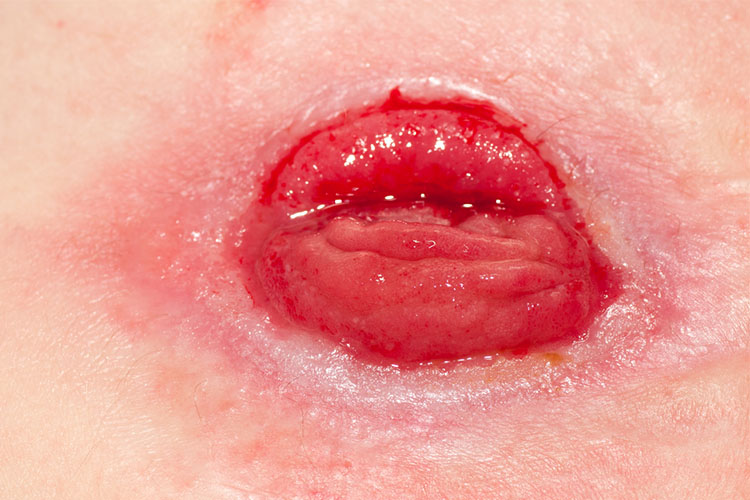
Complex Bowel Care Training: Key Principles Every Carer Must Know
Understanding complex bowel care involves realizing the different facets associated with digestive tract feature and administration. This training includes more than just fundamental health; it consists of identifying signs and symptoms, proper stoma care methods, and knowing just how to respond in emergencies.
What is Intricate Digestive tract Care?
Complex digestive tract treatment describes the customized methods associated with managing patients that have significant bowel concerns, consisting of those with ostomies. It goes beyond basic digestive tract health practices and calls for in-depth expertise of:
- Bowel anatomy Physiology Stoma types Patient-specific needs
The Value of NDIS Complex Bowel Care Training
The National Handicap Insurance System (NDIS) supplies support for individuals with disabilities, including those needing complex bowel care. Recognizing the relevance of this training can boost the degree of treatment given to these individuals.
Why NDIS Educating Matters?
Tailored Support: Each individual has unique requirements that call for customized approaches. Improved Quality of Life: Effective management can lower pain and improve everyday living. Compliance with Regulations: Guarantees that carers fulfill sector standards and guidelines.Understanding Stomas: What is a Stoma?
A stoma is an opening created throughout surgical procedure that enables waste to exit the body when regular courses are not offered as a result of injury or illness.
Types of Stomas
Colostomy: A part of the colon is brought with the stomach wall. Ileostomy: The ileum (the last part of the tiny intestinal tract) is drawn away out via the abdomen. Urostomy: A stoma produced for urine diversion.What is Ostomy Care?
Ostomy care entails taking care of a stoma and ensuring appropriate health and monitoring techniques are followed.
Key Elements of Ostomy Care
- Regular skin assessments Proper pouching systems Managing odor Recognizing complications
Stoma Care Training for Carers
Training programs concentrated on stoma care prepare ostomy care caretakers to handle specific difficulties associated with ostomies effectively.
Topics Covered in Stoma Care Training
Anatomy and physiology related to stomas Best methods for altering pouches Skin protection techniques Recognizing indicators of complicationsComplex Bowel Care Training course Overview
A comprehensive training course on complex bowel care will usually cover numerous subjects tailored for caregivers.
Course Structure May Include:
- Basic anatomy and physiology Detailed stoma administration techniques Psychological facets of coping with a stoma Nutrition considerations for individuals with ostomies
Bowel Treatment Monitoring Techniques
Effective digestive tract management includes numerous strategies focused on enhancing patient comfort and health outcomes.

Essential Techniques Include:
Regular monitoring of bowel movements Diet adjustments customized to private needs Hydration strategies Medication adherenceCaring for an Ostomy: Day-to-Day Monitoring Tips
Managing every day life with an ostomy calls for cautious preparation and consideration.
Daily Management Tips:
Keep products readily available. Monitor diet regimen very closely; specific foods may cause issues. Establish a cleaning regimen that benefits you. Communicate freely about any challenges faced.FAQ Section
Here are some regularly asked concerns pertaining to complex bowel care:
1. What certifications do I need for NDIS complex bowel care training?
To take part, it's essential to have fundamental nursing or caregiving credentials together with specialized training in bowel monitoring practices.
2. Exactly how frequently need to I alter an ostomy pouch?
Pouches should generally be changed every 3-- 7 days, depending upon private situations and maker recommendations.
3. What common issues emerge from bad stoma care?
Common issues consist of skin irritability, leak from pouches, and infections around the stoma site.
4. Can diet regimen affect my bowels after having a stoma?
Yes, diet regimen plays a crucial role; some foods might cause blockages or excessive gas production.
5. Is psychological support required for people adapting to an ostomy?
Absolutely! Psychological assistance can significantly affect healing and change durations post-surgery.
6. Just how do I find credible training programs in intricate digestive tract care?
Look for accredited companies supplying courses specifically developed around NDIS requirements or consult with doctor for recommendations.
Conclusion
Mastering complex bowel care needs not just theoretical expertise but likewise hands-on experience and compassion towards those impacted by such conditions. As a carer, your role extends beyond plain job implementation; it includes understanding individual needs deeply-- literally and mentally-- and adjusting your strategy accordingly.
In summary, whether you're participating in specific ndis complex bowel care training, joining in-depth complex bowel care courses, or just seeking to boost your skills via stoma treatment training, remember that each element adds dramatically toward boosting people' lives dealing with these difficulties daily.
By equipping on your own with this important info on complex bowel care, you equip not just yourself but additionally those that depend on your experience for support.
This article offers an extensive check into crucial ideas bordering Complex Bowel Care Training while preserving SEO finest methods throughout its structure utilizing headings, bullet points, FAQs, and clear areas which produce an interesting visitor experience customized specifically to caretakers' instructional requirements within this essential healthcare niche.